Is car sickness a clue? What the balance system tells us about learning
Published: · BrainLab 360
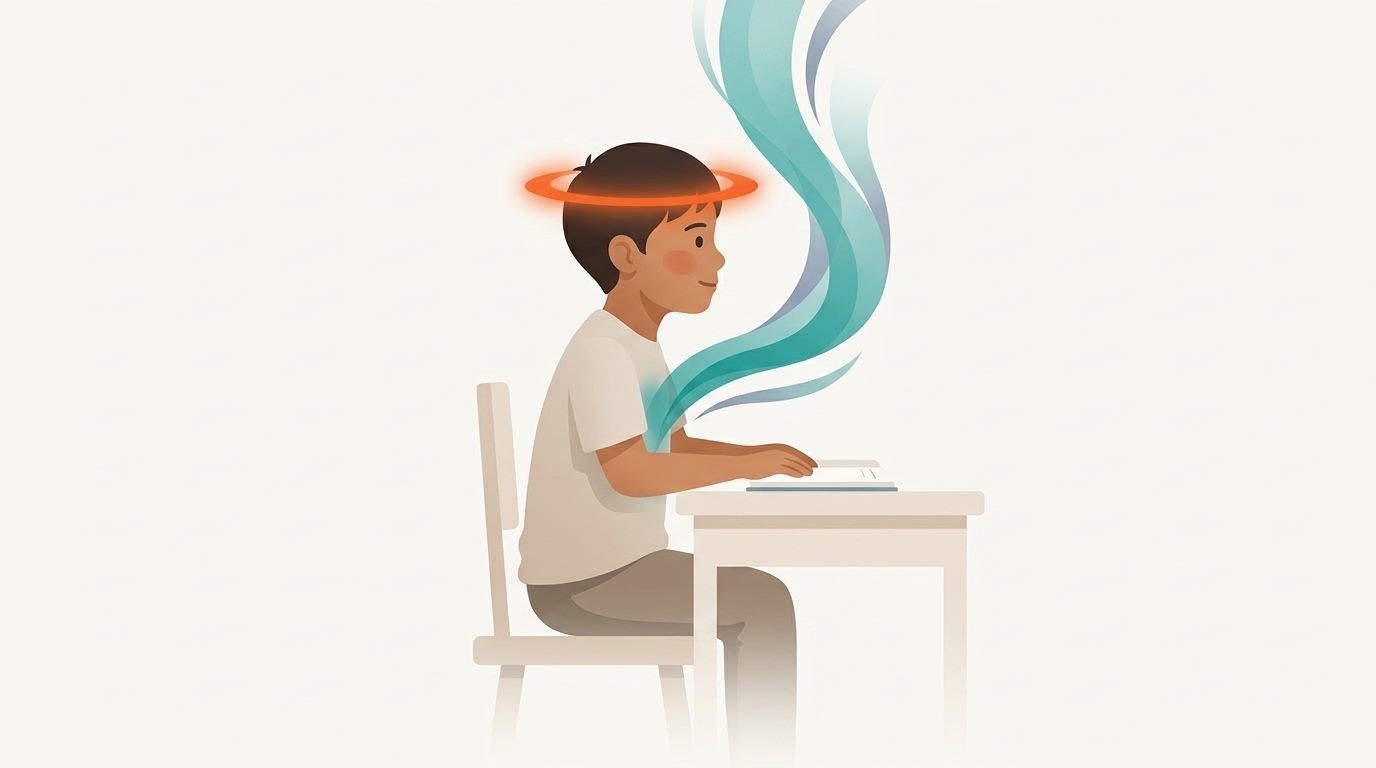
Car sickness, fear of heights, clumsiness or constant fidgeting can all be clues that a child’s balance system is working too hard or too little. Because this system also steadies the eyes, it can affect reading and copying from the board.
A small system with a big job
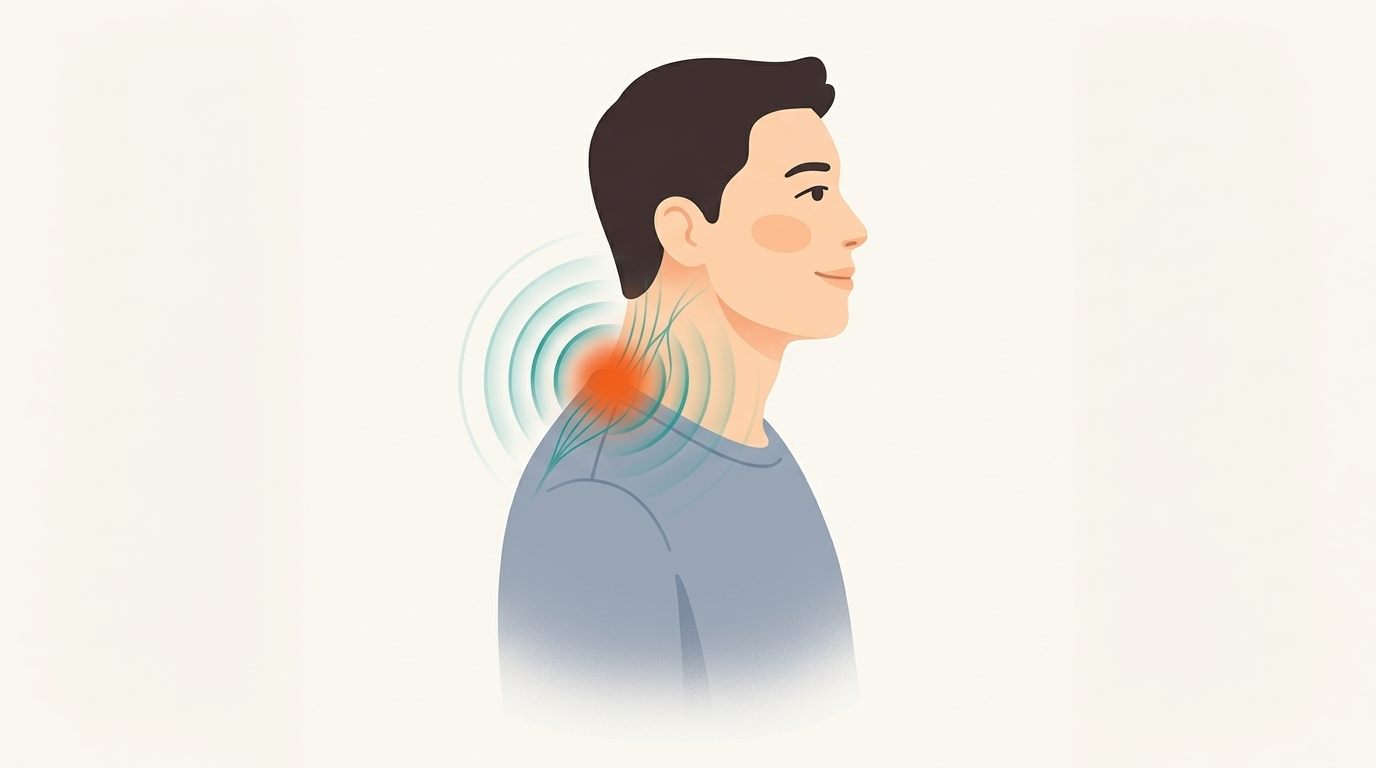
Inside each inner ear is the vestibular system, our balance sense. It tells the brain how the head is moving and which way is up, and it sends that information to the parts of the brain that control posture, eye movement and alertness.
It quietly supports many everyday skills:
- Balance and posture, such as sitting upright at a desk.
- Knowing where the body is in space.
- Steady eyes while the head moves, so a child can follow a line of text or copy from the whiteboard without losing their place.
- Coordination of both sides of the body, including handwriting.
- Filtering background noise and visual clutter in a busy classroom.
- Feeling calm and grounded instead of on edge.
Two patterns parents often see
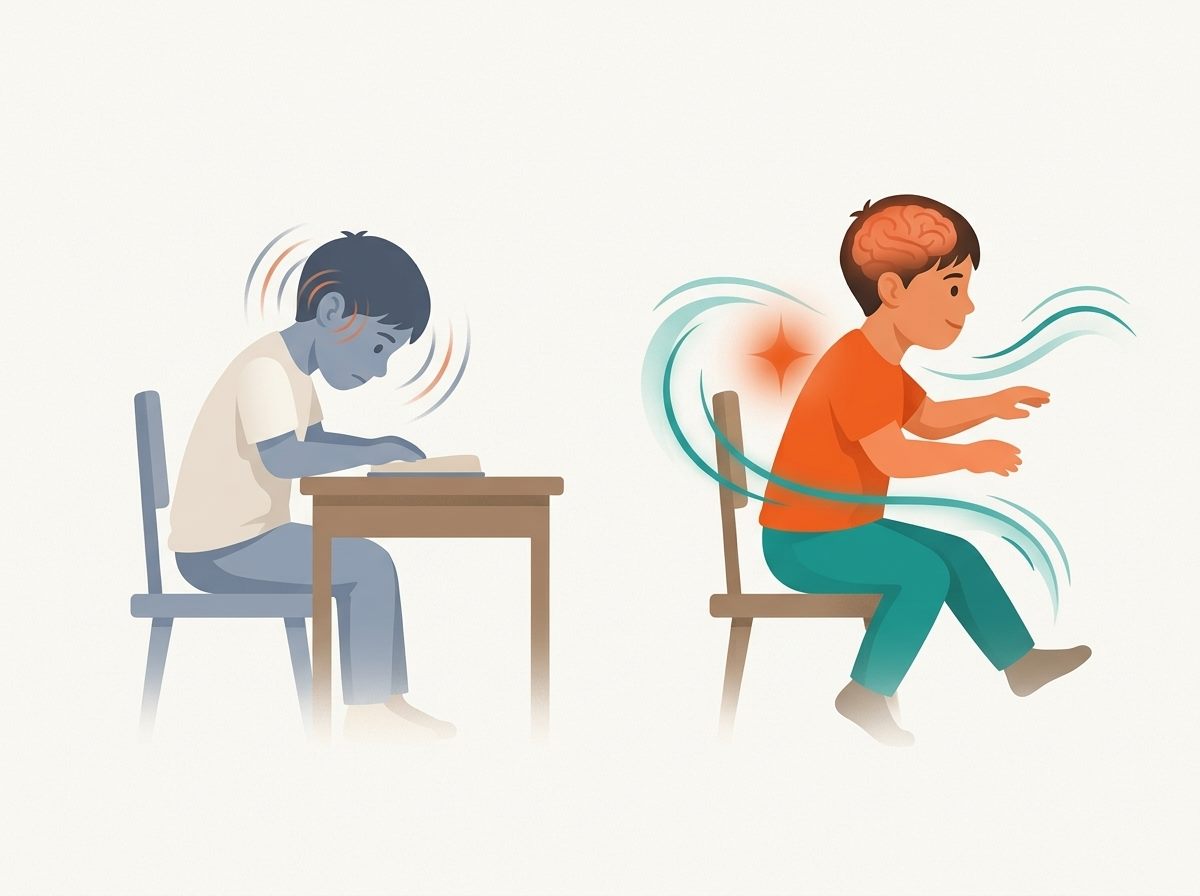
A balance system that is too sensitive may show up as:
- Car sickness or motion sickness.
- Dizziness, or fear of heights, escalators or playground equipment.
- Discomfort in crowds, or avoiding rough-and-tumble play.
A balance system that is under-responsive may show up as:
- Clumsiness and frequent tripping.
- Slouching at the desk.
- Constant fidgeting, rocking or spinning, as if the body is looking for more movement.
So yes, car sickness can be a clue, but it is only one piece of the picture. Many children with these signs simply need their balance system to become more efficient.
Why it can matter for learning
When the balance system and the eyes do not work smoothly together, reading can take extra effort: words seem to jump, lines get skipped, and copying from the board is slow and tiring. Children may also find it harder to sit still and filter out distractions. These challenges are common in children with learning difficulties, ADHD traits or sensory processing differences, and supporting the balance system is one part of helping them.
How we check it at BrainLab 360
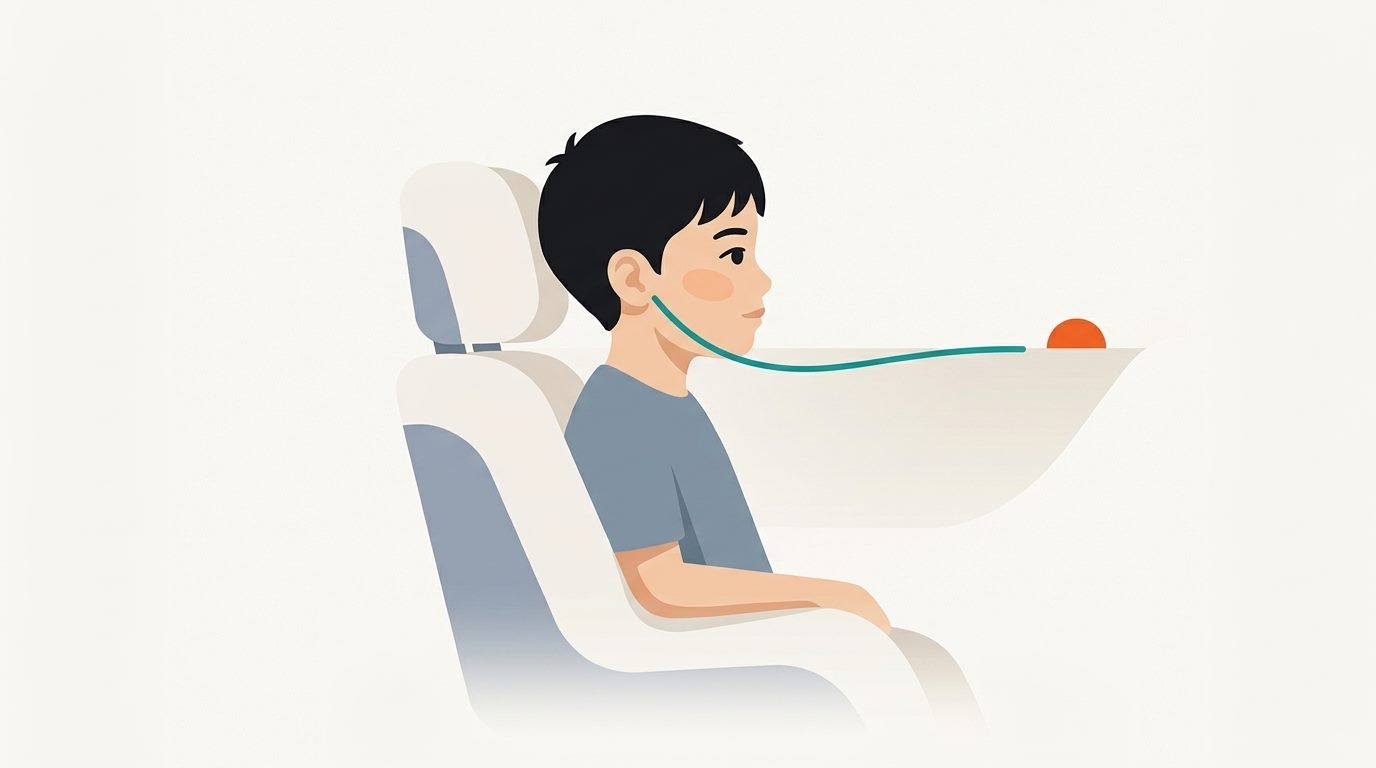
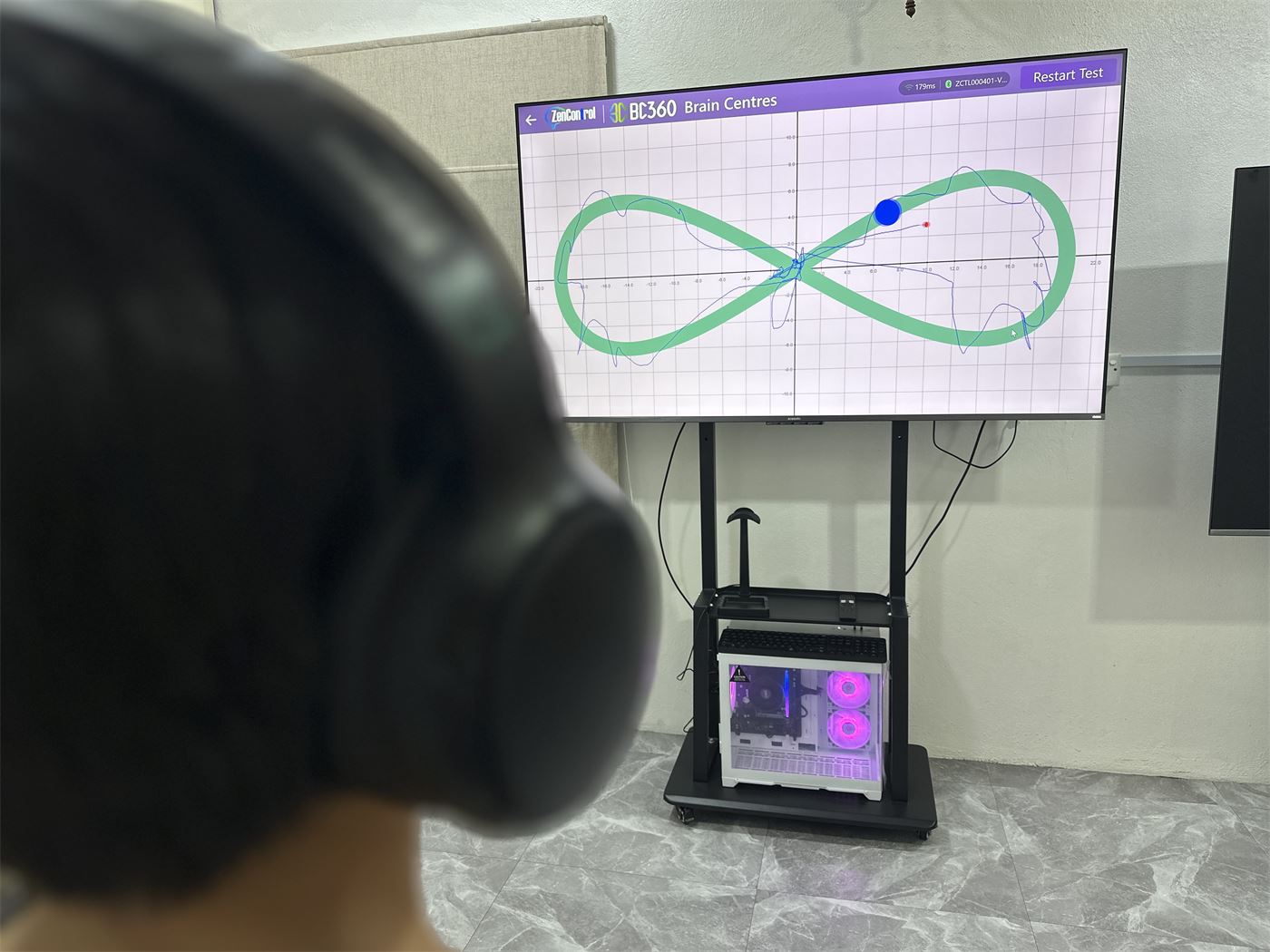
We use head-motion sensors and on-screen targets (ZenControl): your child follows a moving target, such as a figure-8 path, and returns the head to centre. This shows how smoothly the eyes and head move together and how well the body finds its centre. Results are shown as clear pictures so parents can see them, and are re-checked over time.
Simple things you can try at home
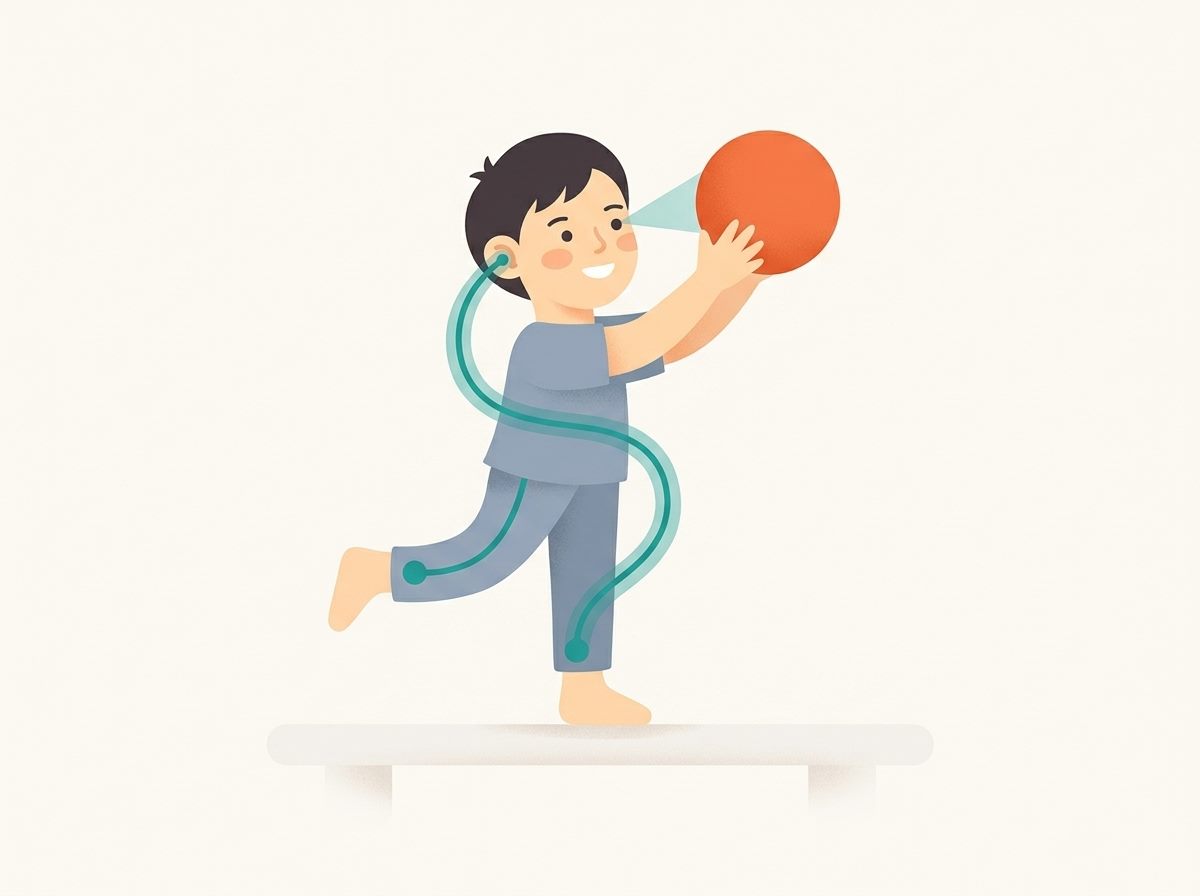
- Daily active play: swings, slides, balancing on a low wall or line, hopping games.
- Ball games such as throwing and catching while standing on one foot.
- For sensitive children, start gently and let them lead; never force movement that frightens them.
Want to know what is behind it for your family?
Ask about a gentle brain & body checkup →This article is general education, not medical advice. BrainLab 360 provides non-invasive functional assessment and training; it does not diagnose or treat medical conditions. If you are worried about a medical condition, please see a doctor.