Why massage alone doesn’t fix stubborn neck and back pain
Published: · BrainLab 360
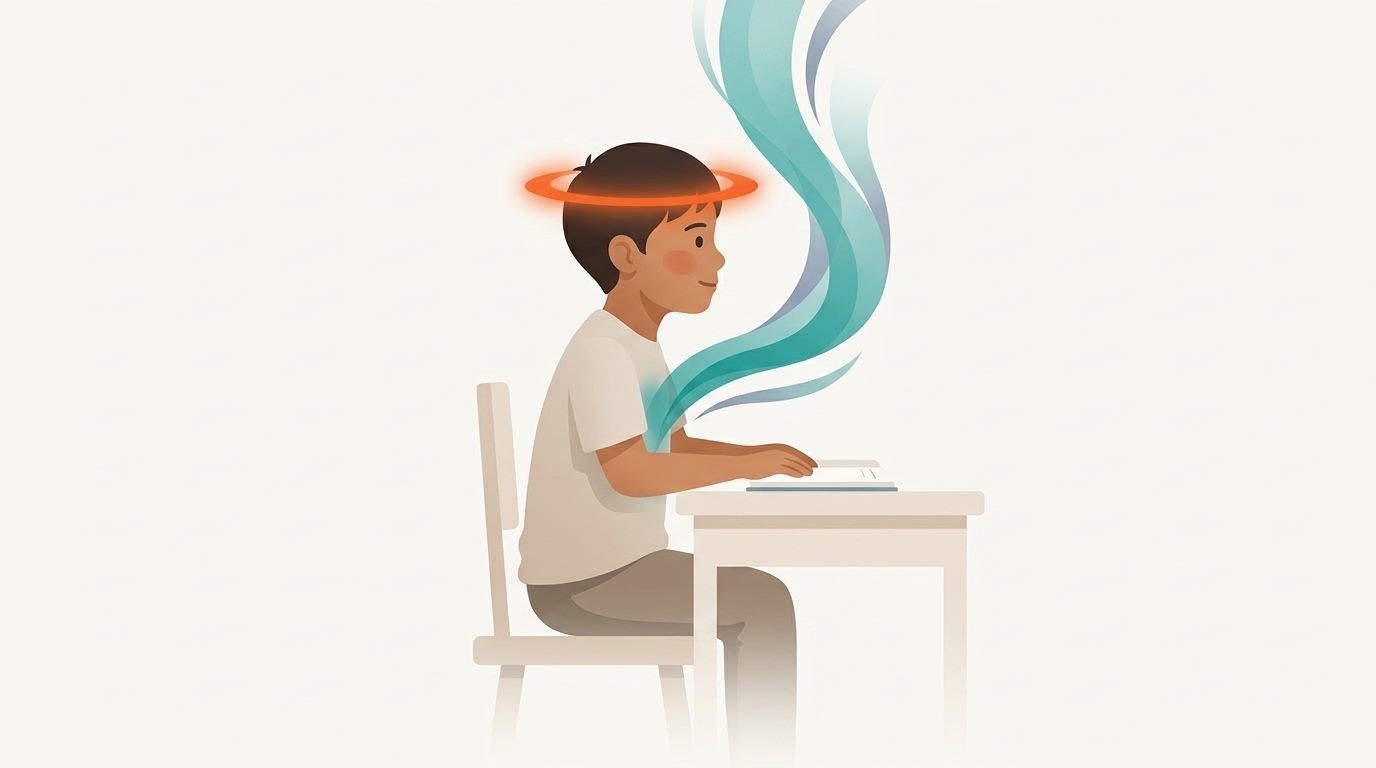
When the nervous system senses a joint is unstable or under stress, it tightens the muscles around it to protect it. Massage can relax those muscles for a while, but if the nerve signal stays on “alert”, the tightness returns. NeuroReset works on that signal instead.
The cycle many adults know too well
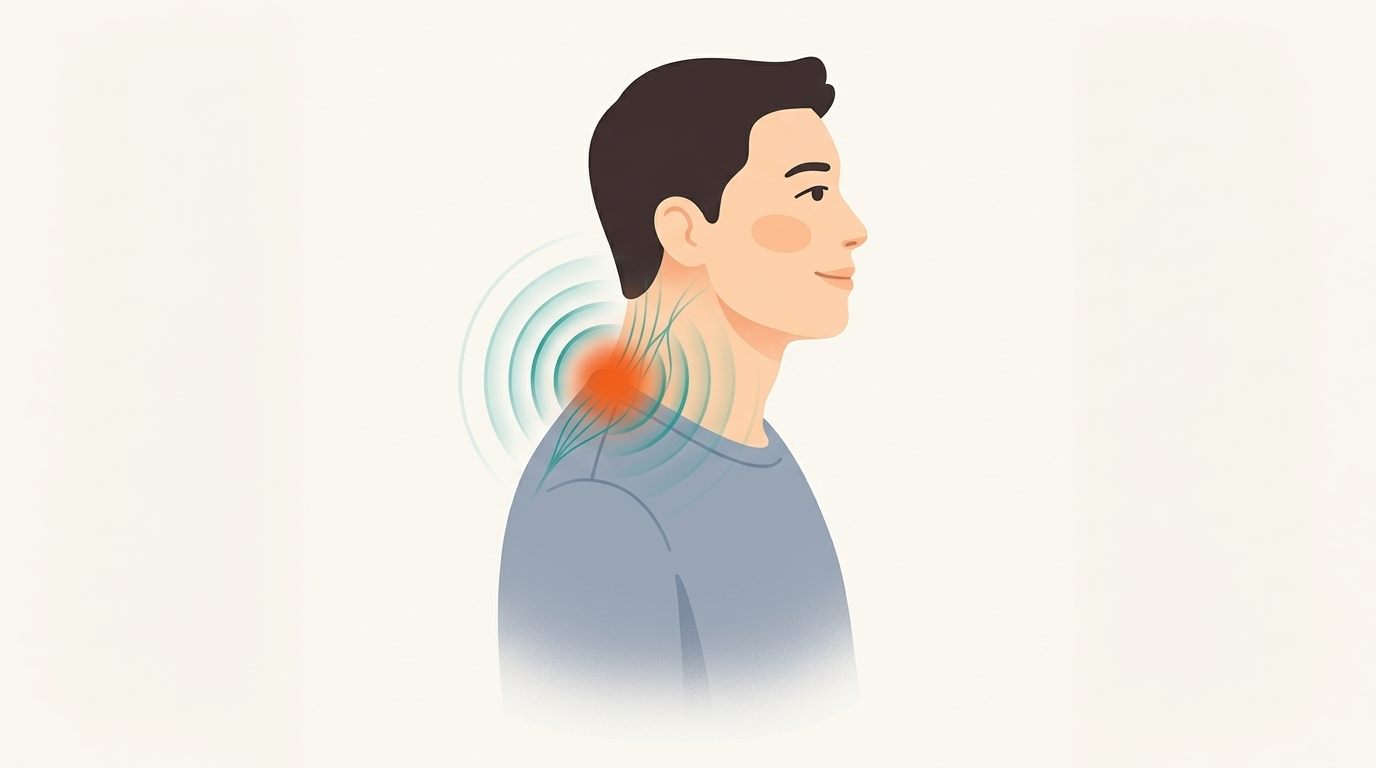
Your neck and shoulders feel stiff, so you get a massage. You feel great for a day or two, and then the tightness is back, sometimes worse. The same story is common with lower back pain, tight hips and sore knees after sport.
The “protective guarding” loop
Your nervous system is always checking how stable your joints feel. When it senses instability, an old strain, poor posture held for hours, or unclear signals from the joint, it does something sensible: it tightens the surrounding muscles like an emergency handbrake to protect the area.
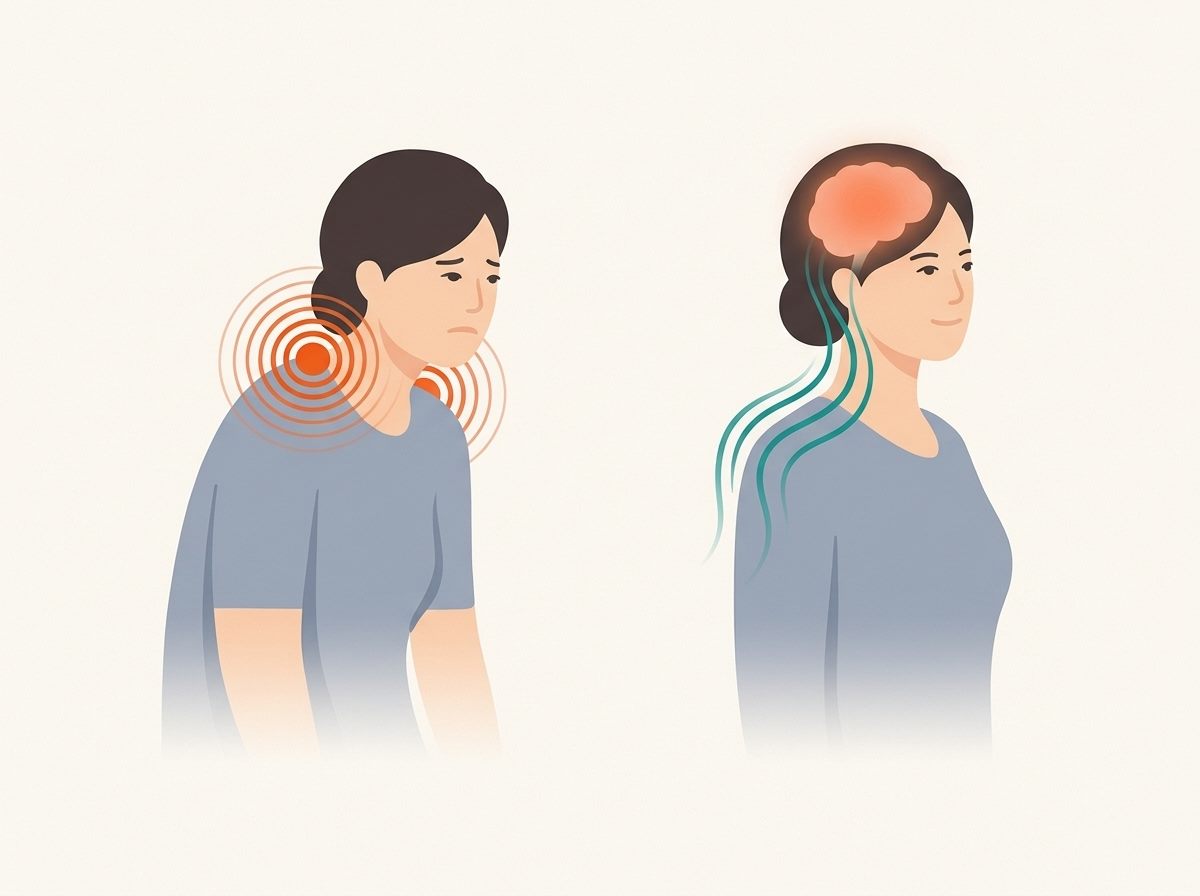
The problem is that the handbrake can stay on long after it is needed. Stretching or deep massage may soften the muscle for a while, but if the nerve signal is still on “alert”, the brain simply tightens the muscle again. That is why relief often does not last.
Signs your pain may be “guarding”
- Tightness that keeps returning in the same place, days after massage or stretching.
- Stiffness that is worse after long hours at a desk, driving or on the phone.
- Reduced range of motion, such as difficulty turning the head or bending forward.
- An old sports injury that “never felt quite right” again.
How NeuroReset approaches it
NeuroReset is a gentle, non-invasive session that works on the neuromuscular signal behind the tightness rather than only on the muscle. By improving the body-position feedback from the joint, it helps the nervous system feel safe enough to release the guard, so movement can feel freer and more comfortable.
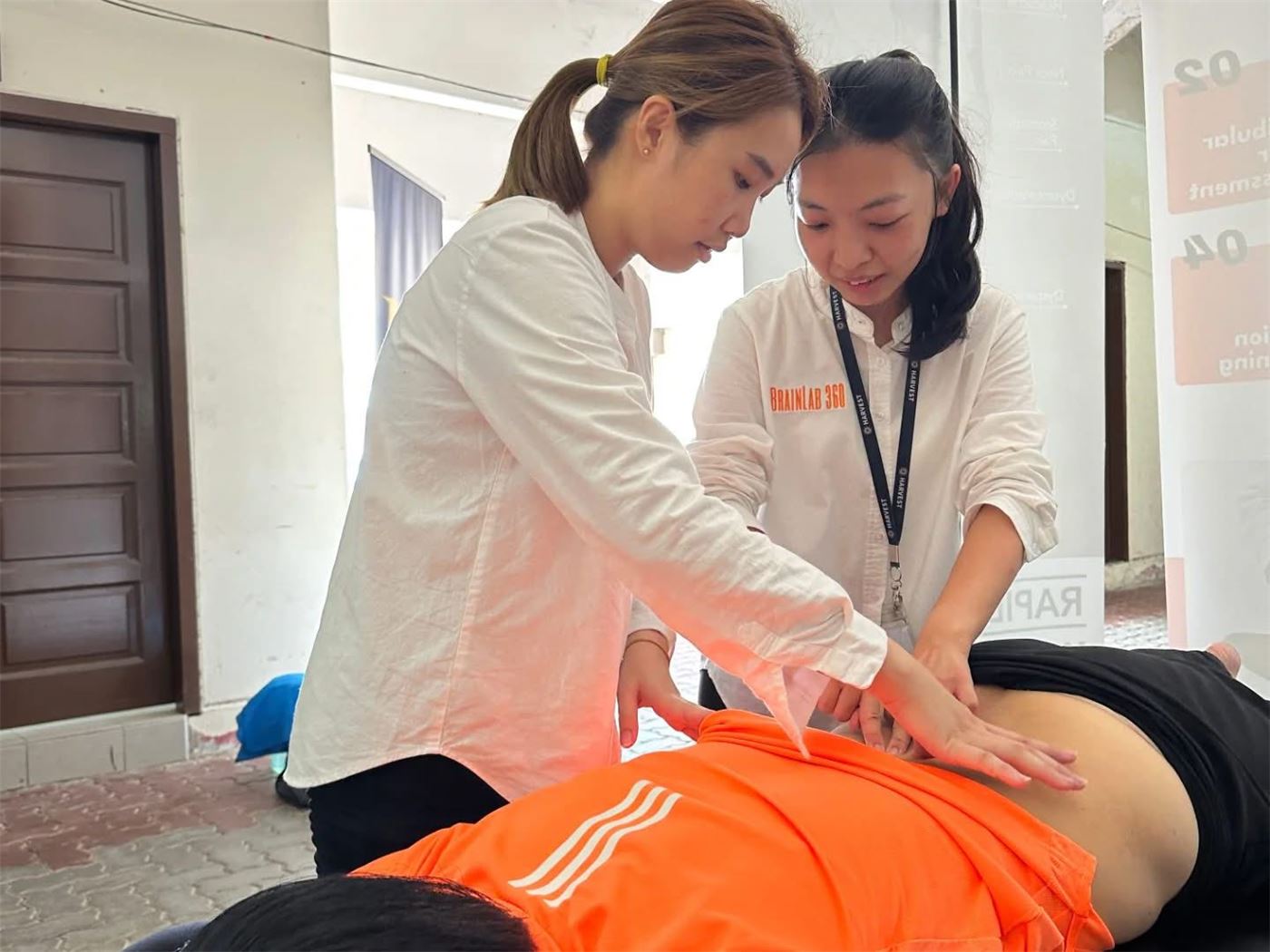
- No bone cracking, no needles and no medication.
- We test your range of motion and comfort before and right after the session, so you can feel the difference for yourself.
- Common areas: neck and shoulders, lower back, hips, knees and ankles after sport, and the wrist and thumb (for example “mommy’s wrist”).
Results differ from person to person. Some people notice a change in the first session; others need a short series, together with simple habits at home.
Simple things you can do today
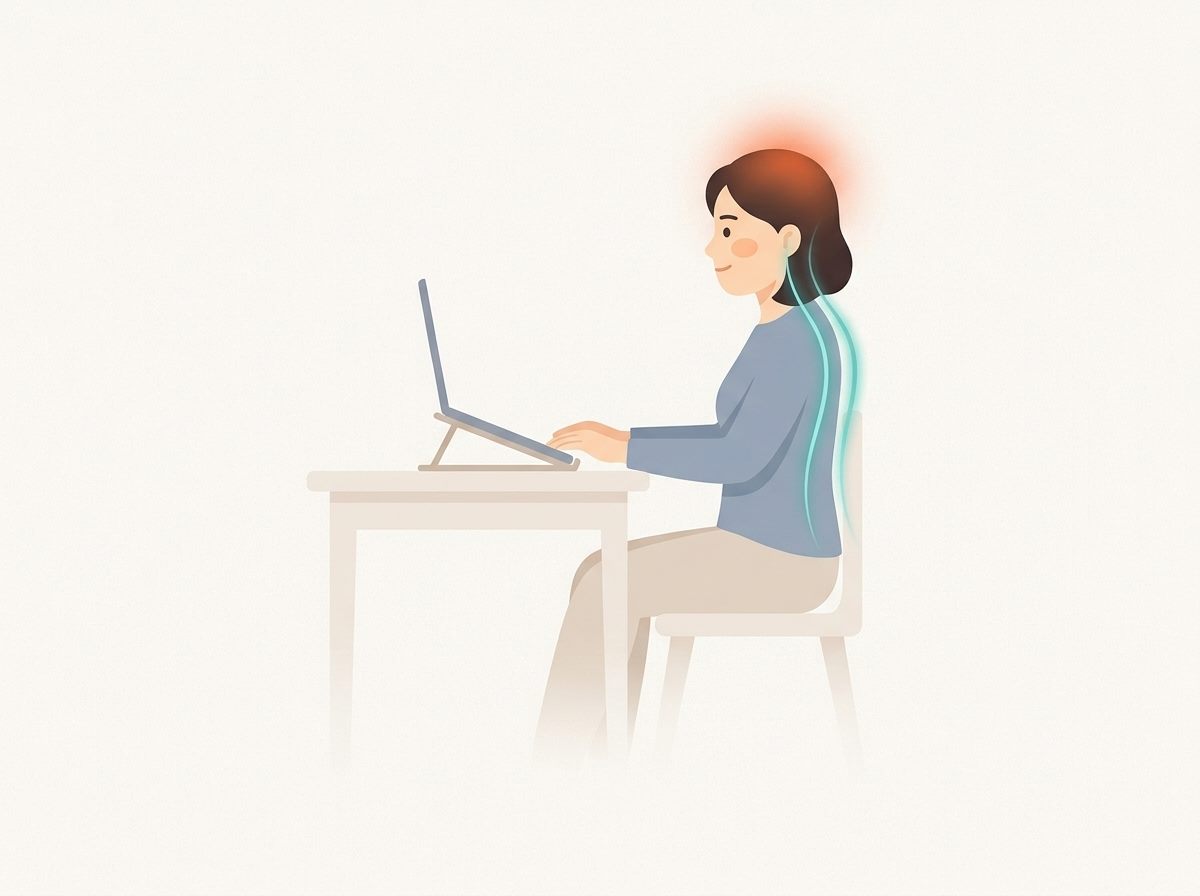
- Change position every 30–45 minutes; stand, roll the shoulders and look into the distance.
- Raise your screen to eye level so your head is not held forward.
- Move gently within a comfortable range every day; avoid forcing painful stretches.
Want to know what is behind it for your family?
Ask about a NeuroReset session →This article is general education, not medical advice. BrainLab 360 provides non-invasive functional assessment and training; it does not diagnose or treat medical conditions. If you are worried about a medical condition, please see a doctor.